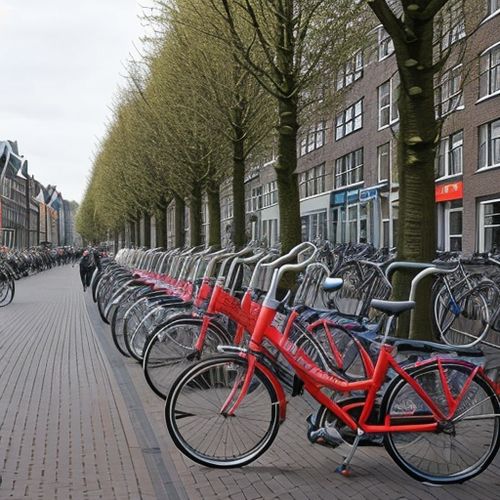
The Dutch have long been pioneers in cycling infrastructure, consistently pushing the boundaries of innovation to make urban biking safer and more efficient. One of their latest breakthroughs is the "intelligent traffic light" system designed specifically for cyclists. This cutting-edge technology automatically extends green lights for approaching groups of bicycles, creating a seamless flow of two-wheeled traffic through intersections. The system represents a fundamental shift in how cities prioritize sustainable transportation.
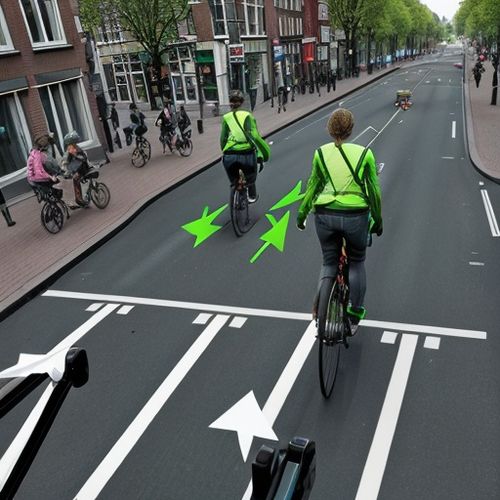
At its core, the smart signal system uses advanced detection technology to identify clusters of cyclists approaching an intersection. Unlike traditional traffic lights that operate on fixed timers, these intelligent signals can dynamically adjust their timing based on real-time bicycle traffic patterns. When sensors detect a large group of bikes moving together—what transportation planners call a "bike peloton"—the system works to keep the light green longer, allowing the entire group to pass through without interruption.
The psychological impact of this technology shouldn't be underestimated. Cyclists no longer need to rush through intersections or worry about getting separated from their group when lights change. This creates a more relaxed, enjoyable riding experience that encourages even more people to choose bicycles over cars for their daily commutes. The system essentially acknowledges that bicycles move differently than motor vehicles—at different speeds, with different acceleration patterns, and often in larger social groups.
Implementation requires sophisticated hardware including thermal cameras, motion sensors, and advanced algorithms that can distinguish between individual cyclists and groups. The technology can reportedly detect bicycle groups up to 100 meters away from the intersection, giving the system ample time to calculate optimal light timing. During peak cycling hours in cities like Utrecht and Amsterdam, these smart signals have reduced waiting times for cyclists by as much as 30 percent while maintaining smooth traffic flow for all road users.
What makes the Dutch approach unique is its holistic integration with existing cycling infrastructure. The intelligent signals don't operate in isolation but are part of an interconnected network that includes dedicated bicycle paths, ample parking facilities, and urban planning that prioritizes bikes over cars. This comprehensive approach has helped the Netherlands maintain its position as the world leader in cycling culture, with approximately 27 percent of all trips nationwide made by bicycle.
The environmental benefits are substantial. By making cycling more convenient and efficient, cities see measurable reductions in carbon emissions and air pollution. Transportation experts note that the psychological effect of never having to stop at red lights makes cycling feel faster than driving for short urban trips—a powerful incentive for mode shift. Early data suggests intersections with the smart signals have seen a 5-8 percent increase in bicycle traffic within months of installation.
Of course, implementing such technology requires significant investment and careful urban planning. The Dutch model works because it's part of a larger cultural and infrastructural ecosystem that values cycling as legitimate transportation. Other cities looking to replicate this success would need to consider their own unique traffic patterns, cycling volumes, and existing infrastructure. Still, the intelligent signal system offers a compelling vision for how technology can make sustainable transportation not just possible, but genuinely preferable.
As climate change accelerates and cities grapple with congestion and pollution, solutions like the Dutch intelligent traffic lights demonstrate how smart technology can work in harmony with human behavior rather than against it. The system doesn't try to make cyclists conform to patterns designed for cars—instead, it adapts infrastructure to match how people naturally move through cities on two wheels. This human-centered approach to transportation technology may well represent the future of urban mobility worldwide.

By Christopher Harris/Apr 14, 2025

By William Miller/Apr 14, 2025
By Grace Cox/Apr 14, 2025

By James Moore/Apr 14, 2025

By Victoria Gonzalez/Apr 14, 2025

By Megan Clark/Apr 14, 2025

By Lily Simpson/Apr 14, 2025
By Eric Ward/Apr 14, 2025
By Elizabeth Taylor/Apr 14, 2025
By Thomas Roberts/Apr 14, 2025
By Emily Johnson/Apr 14, 2025
By Olivia Reed/Apr 14, 2025
By Sarah Davis/Apr 14, 2025
By Laura Wilson/Apr 14, 2025
By John Smith/Apr 14, 2025
By Emily Johnson/Apr 14, 2025
By Ryan Martin/Apr 14, 2025

By Sophia Lewis/Apr 14, 2025

By Samuel Cooper/Apr 14, 2025

By Sarah Davis/Apr 14, 2025