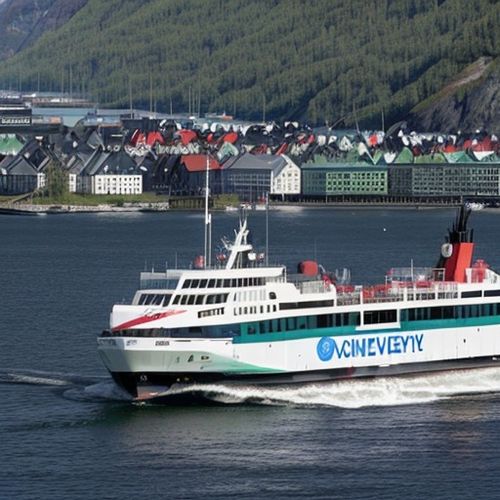
Norway’s long-standing policy of offering free ferry rides to electric vehicles (EVs) is coming to an end, marking a significant shift in the country’s ambitious green transportation agenda. For years, this incentive has been a cornerstone of Norway’s strategy to promote EV adoption, making it one of the most EV-friendly nations in the world. However, as the government reevaluates its subsidies, the decision to phase out free ferry access has sparked debates among policymakers, environmentalists, and everyday commuters alike.
The policy, introduced over a decade ago, was part of a broader package of benefits designed to encourage Norwegians to switch from fossil fuel-powered cars to electric alternatives. Alongside exemptions from tolls, reduced parking fees, and tax breaks, free ferry crossings became a highly visible perk for EV owners, particularly in a country where ferries are a critical component of the transportation network. Coastal communities and island residents relied heavily on this benefit, which made EV ownership not just environmentally sound but also economically advantageous.
Why the Change? The decision to scrap the free ferry policy stems from multiple factors. One key reason is the sheer success of Norway’s EV adoption campaign—electric cars now dominate new vehicle sales, accounting for over 80% of the market. With EVs becoming the norm rather than the exception, the government argues that the financial burden of maintaining such incentives is no longer justifiable. Additionally, ferry operators have raised concerns about overcrowding and lost revenue, as the number of EVs on board has surged in recent years.
Critics of the policy change argue that removing free ferry access could slow down the momentum of EV adoption, particularly in rural areas where ferry travel is often the only viable option. "This move sends the wrong signal," says Lars Haltbrekken, a Norwegian environmental politician. "We should be reinforcing incentives, not rolling them back, especially when we’re still in a critical phase of transitioning away from fossil fuels." Others, however, contend that the policy had become unsustainable, with ferry companies struggling to accommodate the growing number of electric vehicles without additional funding.
The Economic Impact The financial implications of this shift are twofold. On one hand, ferry operators stand to gain from increased ticket sales, which could help modernize aging infrastructure and improve service reliability. On the other hand, EV owners—particularly those in remote regions—will face higher transportation costs, potentially dampening enthusiasm for electric vehicles in areas where they are most needed to reduce carbon emissions. Some analysts suggest that targeted subsidies, rather than blanket free access, might be a more balanced solution moving forward.
Public reaction has been mixed. While some EV owners express frustration over losing a cherished benefit, others acknowledge that the policy was always meant to be temporary. "It was a great perk while it lasted, but if the goal was to get people to switch to EVs, then it’s already done its job," says Henrik Hansen, a Tesla owner from Bergen. Meanwhile, ferry-dependent businesses are cautiously optimistic, hoping that the additional revenue will lead to better scheduling and reduced wait times during peak seasons.
What’s Next for Norway’s EV Policies? The cancellation of free ferry rides is just one part of a larger reassessment of Norway’s green incentives. As the country nears its 2025 target for all new cars to be zero-emission, policymakers are shifting focus from encouraging adoption to managing the practical challenges of an EV-dominated landscape. This includes investing in charging infrastructure, revising road tax structures, and ensuring that the electrical grid can handle the increased demand.
While the end of free ferry access may seem like a setback, it also reflects Norway’s evolving approach to sustainable transportation. The country’s success in electrifying its vehicle fleet offers a blueprint for other nations, but it also highlights the need for policies to adapt as goals are met. As the world watches, Norway’s next steps will likely influence how other countries balance incentives, infrastructure, and economic realities in their own push toward a greener future.

By Christopher Harris/Apr 14, 2025

By William Miller/Apr 14, 2025
By Grace Cox/Apr 14, 2025

By James Moore/Apr 14, 2025

By Victoria Gonzalez/Apr 14, 2025

By Megan Clark/Apr 14, 2025

By Lily Simpson/Apr 14, 2025
By Eric Ward/Apr 14, 2025
By Elizabeth Taylor/Apr 14, 2025
By Thomas Roberts/Apr 14, 2025
By Emily Johnson/Apr 14, 2025

By Olivia Reed/Apr 14, 2025
By Sarah Davis/Apr 14, 2025
By Laura Wilson/Apr 14, 2025
By John Smith/Apr 14, 2025
By Emily Johnson/Apr 14, 2025
By Ryan Martin/Apr 14, 2025

By Sophia Lewis/Apr 14, 2025

By Samuel Cooper/Apr 14, 2025

By Sarah Davis/Apr 14, 2025