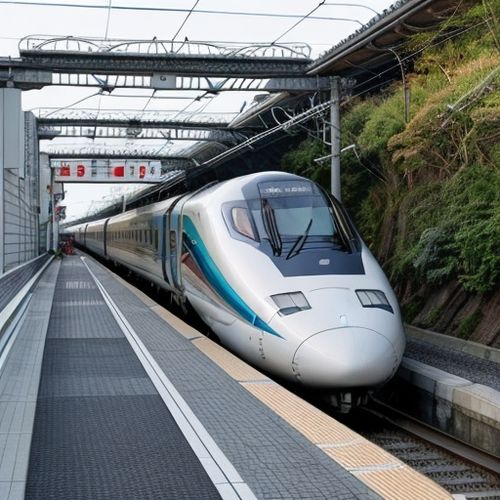
For budget-conscious travelers planning to explore Japan by shinkansen, mastering the art of snagging "Early Bird" discount tickets can mean the difference between affordable bullet train journeys and budget-busting transportation costs. These limited-availability tickets, known as "Hayatoku" fares in Japanese, offer significant savings – sometimes up to 50% off regular prices – but require strategic planning and quick action to secure.
The most crucial factor in obtaining these discounted tickets is timing. Japan Railways releases Early Bird fares exactly 45 days before departure dates, with sales opening at 10:00 AM Japan Standard Time. This 45-day window isn't arbitrary – it's carefully calculated based on typical travel planning patterns, offering enough lead time for serious travelers while maintaining scarcity to prevent abuse of the discount system. Those who mark their calendars for this precise moment gain first access to the lowest available prices before inventory dwindles.
Understanding the booking platform's quirks can make or break your Early Bird ticket purchase. The official JR East and JR West websites remain the most reliable sources, though third-party platforms sometimes offer these fares as well. Seasoned travelers recommend creating accounts and saving payment information in advance, as every second counts when competing against both locals and international visitors for limited discounted seats. The reservation systems typically allow bookings starting at 10:00:30 AM rather than exactly on the hour, a technical nuance known by frequent shinkansen users.
Certain routes and times offer better Early Bird availability than others. The Tokyo-Osaka corridor sees the highest demand, making discounts on this popular route particularly scarce. Midweek departures (Tuesday through Thursday) tend to have more discounted seats available compared to weekends. The first and last trains of the day also frequently appear in Early Bird allocations, as these less desirable times attract fewer business travelers willing to pay full fare.
Payment methods surprisingly influence success rates. International credit cards sometimes face processing delays on Japanese booking sites, leading to lost reservations during the payment authorization period. Those living in Japan fare better using domestic payment options like Konbini payment or local bank transfers. Some travelers maintain small balances in JR East's online wallet system specifically for instant Early Bird purchases.
Geography plays an unexpected role in the Early Bird ticket hunt. Users accessing the reservation system from Japanese IP addresses occasionally get prioritized in the virtual queue, though JR officially denies this practice. Savvy international travelers sometimes use VPNs set to Japanese servers when making bookings, though this strategy's effectiveness remains debated among frequent shinkansen users.
The Early Bird system has evolved subtle patterns that repeat across seasons. January sees particularly good availability as Japanese travelers recover from New Year expenses. Golden Week and Obon periods predictably have almost no discounted fares, while late February through March often has surprising availability as companies finalize fiscal year budgets and reduce business travel. First-time visitors often make the mistake of assuming rainy season (June-July) would have plentiful discounts, but these actually become scarce as Japanese families take advantage of school breaks.
Flexibility with travel plans dramatically increases Early Bird success rates. The most successful discount hunters search for multiple possible dates rather than fixating on specific days. Some adopt a "reverse planning" approach – first securing discounted shinkansen tickets, then building itineraries around those transportation dates. This unconventional strategy works particularly well for travelers with open-ended schedules.
Technology failures during the booking process remain common during peak demand periods. The reservation systems occasionally crash exactly at 10:00 AM when thousands attempt to access Early Bird fares simultaneously. Experienced users keep multiple devices ready – a computer for the main attempt, with smartphones standing by as backups using different networks. Curiously, the mobile version of JR's site sometimes remains accessible when the desktop version crashes.
Early Bird tickets come with stricter conditions than regular fares. Changes typically aren't permitted after purchase, and refunds incur hefty penalties. These non-transferable tickets require showing the original payment card and passport (for foreign visitors) when boarding. Despite these limitations, the substantial savings make them worthwhile for travelers with fixed plans. Those who master the 45-day booking system gain access to Japan's world-class rail network at local prices rather than tourist rates.
Behind the scenes, JR's yield management algorithms constantly adjust Early Bird availability based on real-time demand. This explains why some travelers report suddenly finding discounted seats even after initial sold-out messages – cancellations and system reallocations occasionally release new inventory. Persistent checking sometimes pays off, especially 30-35 days before departure when unpaid reservations get purged from the system.
The human element shouldn't be underestimated in this digital booking process. Station staff at major shinkansen hubs like Tokyo and Shin-Osaka occasionally have access to Early Bird inventory that doesn't appear online. Polite inquiries at the "Midori-no-Madoguchi" ticket counters sometimes yield unexpected discounts, especially for same-week travel. This old-school approach works best at smaller stations where agents have more time to search complex fare systems.
As Japan's tourism continues rebounding post-pandemic, Early Bird ticket competition has intensified. What once required logging in 15 minutes after sales opened now demands split-second precision. The most dedicated discount hunters treat the process like concert ticket sales – preparing multiple browser tabs for different dates, disabling bandwidth-heavy applications, and even coordinating with travel companions to attempt simultaneous bookings. While challenging, those who crack the Early Bird code unlock affordable access to one of the world's most remarkable rail experiences.

By Christopher Harris/Apr 14, 2025

By William Miller/Apr 14, 2025

By Grace Cox/Apr 14, 2025

By James Moore/Apr 14, 2025

By Victoria Gonzalez/Apr 14, 2025

By Megan Clark/Apr 14, 2025

By Lily Simpson/Apr 14, 2025

By Eric Ward/Apr 14, 2025

By Elizabeth Taylor/Apr 14, 2025

By Thomas Roberts/Apr 14, 2025
By Emily Johnson/Apr 14, 2025

By Olivia Reed/Apr 14, 2025
By Sarah Davis/Apr 14, 2025

By Laura Wilson/Apr 14, 2025
By John Smith/Apr 14, 2025
By Emily Johnson/Apr 14, 2025

By Ryan Martin/Apr 14, 2025

By Sophia Lewis/Apr 14, 2025

By Samuel Cooper/Apr 14, 2025

By Sarah Davis/Apr 14, 2025